CALL US NOW
 TEXT US NOW
Avoiding Head-On Collisions: Your Guide to Safety
Being involved in or witnessing a head-on collision can be one of the most terrifying experiences anyone faces. Victims often feel vulnerable, stressed, and unsure of what to do next. Beyond the immediate fear, the aftermath can be overwhelming: mounting medical bills, insurance disputes, lost wages, and emotional trauma in injury cases. According to car accident rates and statistics, head-on collisions in Washington State accounted for nearly 30% of multi-vehicle crash fatalities in 2019, with rural roads being particularly deadly due to higher speeds and limited visibility.
At Elsner Law Firm, we understand the stress and uncertainty that follows such accidents. You are not alone. Our team provides guidance, clarity, and support, ensuring you can focus on healing and recovery, while we protect your rights and fight for maximum compensation.
By reading this blog, you will learn:
- Practical strategies to avoid head-on collisions on urban, suburban, and rural roads.
- Immediate steps to take if an oncoming vehicle enters your lane.
- Defensive driving techniques that reduce the risk of injury.
- Common causes of head-on collisions and ways to prevent them.
- How lane positioning, speed control, and awareness the Four R’s can prevent accidents.
- How Elsner Law Firm helps victims navigate the legal aftermath.
Why Head-On Collisions Are So Dangerous
Head-on collisions are among the deadliest crashes on the road, often causing:
- Severe physical injuries: traumatic brain injuries from cars, spinal cord damage, broken bones, internal injuries, and amputations.
- Emotional trauma: PTSD, anxiety, depression, and fear of driving.
- Financial burdens: medical bills, lost income, vehicle damage, and prolonged insurance disputes.
High-speed collisions amplify these risks. Even a 45 mph head-on collision generates an impact force exceeding 30,000 pounds, which involves the three types of crash collisions occurring simultaneously. Rural areas of Washington, like the highways surrounding Pullman or Ellensburg, are particularly dangerous due to long sightlines that encourage speeding, narrow shoulders, and high-traffic agricultural vehicles.
In contrast, urban areas like Seattle see a higher incidence of collisions during rain, fog, and heavy traffic, often leading to injuries from navigating rain slicked roads safely or side impacts following a near head-on event.
How to Avoid a Head-On Collision: Practical Prevention Strategies
Preventing head-on collisions starts with awareness and proactive driving habits:
- Stay alert at all times: Continuously scan the road ahead, check side mirrors, and be aware of vehicles drifting near the centerline.
- Maintain proper lane position: Slightly to the right of center allows escape space if another driver encroaches.
- Reduce speed in hazardous conditions: Hills, curves, fog, or wet roads in Seattle require slower speeds to allow reaction time.
- Avoid distractions: Phones, eating, or adjusting in-car devices can cost precious seconds.
- Maintain safe following distance: Use the 3–6 second rule to ensure time to react safely.
- Look ahead: Apply the 12-second rule scan far enough ahead to anticipate hazards and make informed evasive decisions.
Example: On SR-520 Bridge, heavy traffic combined with sudden lane changes has caused numerous near head-on situations. Drivers who reduce speed and maintain lane discipline avoid collisions even in tight urban conditions.
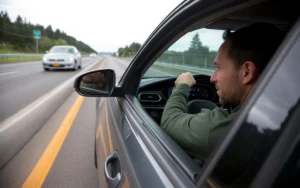
What Should You Do If a Car Is Coming Head-On Toward You?
If a vehicle enters your lane:
- Remain calm and quickly identify potential escape routes.
- Brake and steer smoothly toward the safest side, usually the right shoulder.
- Alert the other driver using headlights or horn if it’s safe.
Local Example: In 2022, a near head-on incident occurred on I-90 near Snoqualmie Pass, where fog reduced visibility. The driver who stayed calm, maintained lane position, and used evasive steering avoided a crash entirely, demonstrating the value of awareness and preparedness.
What Is the First Thing You Should Do When Facing a Head-On Threat?
The first step is awareness. Quickly assess the vehicle’s trajectory, anticipate its speed, and plan an evasive route. Awareness gives you critical extra seconds that can mean the difference between a near-miss and a collision.
Should You Ever Swerve Left to Avoid a Head-On Collision?
Steering left into oncoming traffic is extremely dangerous. Only in rare cases, such as a divided highway with no vehicles in the opposing lane, might it be safer. Generally, steering right toward a shoulder or soft surface even if it results in minor vehicle damage is safer. Your goal is survival, not property protection.
What Should You Do If a Collision Seems Unavoidable?
Even when impact is imminent:
- Brace yourself and keep hands on the wheel.
- Reduce speed to minimize impact force.
- Choose the path of least resistance: shoulder, soft terrain, or ditch is preferable to colliding head-on.
In 2021, a driver in Brier, WA, had only 3 seconds to react when a pickup truck veered into their lane. By steering gently to the shoulder and slowing, the driver avoided a fatal collision, sustaining only minor vehicle damage.
Defensive Driving Tactics That Reduce Injury Risk
Advanced defensive driving can drastically reduce collision severity:
- Maintain slight right-of-lane positioning to allow maneuvering space.
- Scan 12 seconds ahead to anticipate hazards.
- Follow the 3/6 second rule for safe following distance.
- Use the three S’s: Scan, Slow, Steer.
- Avoid target fixation and focus on safe zones instead of the oncoming vehicle.
- Anticipate lane intrusions, especially on I-5 in Seattle, SR-520, or rural two-lane highways in Ellensburg.
Understanding the Causes of Head-On Collisions
Most collisions occur due to predictable factors:
- Distracted driving: Texting, calls, or ignoring the Washington state cell phone law.
- Fatigue: drowsy drivers drift into oncoming lanes.
- Speeding: To understand why speeding leads to crashes, one must look at reduced reaction times.
- Impairment: Alcohol or drugs compromise judgment, and current drug and alcohol DUI prevalence remains a major concern.
- Road conditions: rain, snow, ice, potholes. Seattle’s wet winters and foggy conditions contribute to frequent near-collisions.
By understanding causes, drivers can adopt preventive measures that save lives.
Why Choose Elsner Law Firm for Head-On Collision Cases
Head-on collisions can be devastating physically, emotionally, and financially. Insurance companies often aim to minimize payouts, leaving victims stressed and unsupported. As a dedicated Head-On Collision Lawyer in Seattle, Elsner Law Firm protects your rights and helps you secure the compensation you deserve in Washington State.
Here’s how we assist clients after a head-on collision:
- We manage all insurance communication: We handle adjusters and paperwork, preventing unfair settlements and reducing your stress.
- We fight for full compensation: From vehicle damage to medical bills, lost wages, and long-term care, we ensure nothing is undervalued.
- Expertise in Washington accident laws: Our team understands local regulations, comparative negligence, and injury claims, giving you an advantage in disputes.
- No upfront costs: We work on a contingency fee basis you pay nothing unless we recover compensation for you.
- Compassionate guidance: We listen, guide, and support every step of your recovery, keeping you informed and confident.
- Proven track record: Since 2007, we’ve represented thousands of accident victims, securing fair settlements and protecting client rights.
A head-on collision impacts more than your vehicle it affects your health, finances, and peace of mind. Having Elsner Law Firm on your side ensures expert support and fair recovery.
Frequently Asked Questions
What are the 4 R’s to avoid a head-on collision?
Awareness, lane positioning, speed control, and evasive action help you react quickly and avoid dangerous impacts.
What do you do to avoid a head-on collision?
Stay alert, maintain lane discipline, reduce speed, and anticipate hazards to keep yourself and others safe.
What to do if a car is coming at you head-on?
Remain calm, assess escape routes, steer right, reduce speed, and brace yourself to minimize injury.
What are the 4 R’s of driving?
Awareness, lane positioning, speed control, and evasive action are essential for overall safe driving.
What are the three S’s to avoid a head-on crash?
Scan the road ahead, slow down when needed, and steer carefully to maintain control and avoid collisions.
What is the 3/6 second rule?
Keep 3–6 seconds of following distance so you have time to react safely to any sudden hazards.
What is the 12 second rule?
Look 12 seconds ahead to anticipate dangers and plan evasive maneuvers before a problem becomes urgent.
Conclusion
Head-on collisions can be overwhelming, but you are not alone. Elsner Law Firm is here to protect your rights and help you recover.
By following the strategies in this blog, you can reduce risk and stay safer on the road. If a collision happens, our experienced team will handle the legal process so you can focus on healing.
Call or text Elsner Law Firm at 206-447-1425 today for a free consultation and get the support you deserve.