CALL US NOW
 TEXT US NOW
How Much Does a Personal Injury Lawyer Cost?
For most injury victims, there are no upfront or out-of-pocket fees. A Seattle personal injury lawyer typically charges a contingency fee of around 33% – 40% of the settlement, so the legal fee is paid from your recovery rather than your bank account.
That detail changes the math for a lot of people. A car crash, a slip and fall, or a dog bite already brings medical bills, missed paychecks, and calls from insurance adjusters who want a quick, cheap settlement. Worrying about attorney fees on top of that feels like one more weight to carry alone. Elsner Law Firm has spent close to two decades handling injury cases across Washington State, and cost is one of the first questions almost every new client asks.
This guide breaks down exactly how personal injury attorney fees Seattle WA firms charge, what percentage a lawyer actually takes, which extra costs can catch you off guard, and whether hiring a lawyer leaves you better off once you compare the numbers.
Here is what this guide covers:
- How contingency fees work and why most Seattle firms use them
- The typical percentage range personal injury lawyers charge in Washington
- Whether you pay anything upfront for a consultation or case costs
- The hidden expenses that can reduce your final payout
- Whether hiring a lawyer actually leaves you with more money in your pocket
What Is a Contingency Fee and How Does a No Win No Fee Lawyer in Seattle Work?
A contingency fee personal injury lawyer only gets paid if your case results in a settlement or a court award. Your lawyer’s payment comes out of that recovery as an agreed percentage, never as a bill you receive during the case.
Washington’s Rules of Professional Conduct require every contingency fee agreement to be in writing, signed by the client, and clear about the exact percentage before any work begins, under RPC 1.5. This protects clients from surprise math after a settlement check arrives.
A no win no fee lawyer Seattle clients hire, such as the team at Elsner Law Firm, absorbs the financial risk of the case. If the claim does not result in a recovery, the client owes no attorney fee at all. This is why the contingency model exists in personal injury law specifically: it lets someone with a broken arm and no savings hire the same caliber of representation as someone who could pay by the hour.
For example, a Renton delivery driver hit by a distracted motorist can call a Seattle injury firm the same day, sign a contingency agreement, and never write a check to the lawyer unless money actually comes in.
The same fee structure applies across almost every type of injury claim a Seattle firm handles, from car accident and truck accident cases to motorcycle, bicycle, and pedestrian accident claims. It also covers premises liability matters such as slip and fall injuries, construction accident claims, and more serious cases involving traumatic brain injury or spinal cord injury. Whether the claim is worth $15,000 or $1.5 million, the contingency percentage works the same way.

How Much Does a Personal Injury Lawyer Cost in Seattle, WA?
Most Seattle personal injury lawyers charge between 33% and 40% of the total settlement or verdict. The exact number usually depends on how far the case goes before it resolves.
A common structure looks like this:
| Case Stage | Typical Fee |
|---|---|
| Settled before a lawsuit is filed | 33% |
| Settled after filing, before trial | 35% to 38% |
| Resolved at trial or arbitration | 40% |
On a $100,000 settlement reached before filing suit, a 33% fee means $33,000 goes to the lawyer and $67,000 goes to the client, before case expenses. That math holds across most Seattle, King County, and greater Puget Sound firms, since the American Bar Association notes contingency structures follow similar patterns nationwide.
Bellevue, Tacoma, and Everett firms generally quote the same 33% to 40% window, though a firm handling a case with unusual complexity, such as a multi-vehicle truck accident claim, may set a higher ceiling in the written agreement.
Case value also shapes how firms think about the fee tier in practice. A soft tissue injury claim that resolves through simple settlement negotiation looks very different from a wrongful death claim or a burn injury case involving future medical expenses and lost earning capacity. Firms handling catastrophic injury cases, including traumatic brain injury or nursing home abuse claims, often invest far more staff time and case expenses long before a settlement or verdict award arrives, which is part of why the percentage rises for cases that reach trial.
Do Personal Injury Lawyers Charge Upfront Fees or a Consultation Fee in Seattle?
No. Do personal injury lawyers charge upfront fees is one of the most common questions injury victims ask, and for contingency cases the answer is almost always no.
A personal injury lawyer consultation fee Seattle residents might expect from other legal fields, such as a $300 hourly retainer for a business dispute, does not apply here. Elsner Law Firm and most Seattle injury firms offer a free case evaluation by phone, text, video call, or in person, with no charge to sit down and learn whether you have a claim worth pursuing.
This differs sharply from a retainer agreement, where a client deposits money upfront and the lawyer bills against it hour by hour. Personal injury work almost never uses that model because most clients calling after a car accident or a fall have no spare cash for a retainer.
A single mother in Kent with a fractured wrist from a slip and fall, for instance, can request a free consultation, review her options with an attorney, and decide whether to move forward, all before spending a single dollar.
Every reputable firm should also give you a clear attorney-client fee disclosure at this stage, spelling out the fee percentage, how case expenses are handled, and what happens if the case settles quickly versus after a lawsuit is filed. A flat fee legal service arrangement shows up occasionally for narrow, limited-scope tasks, such as reviewing a settlement offer, but it is uncommon for a full personal injury case evaluation and representation.
What Percentage of a Settlement Does a Personal Injury Lawyer Take in Washington State?
The average personal injury settlement percentage lawyer takes in Washington falls in the same 33% to 40% band described above, and the exact figure is set out in the signed fee agreement before the case starts.
Washington State personal injury attorney fee percentage rules do not cap this number by statute, unlike some states with mandated sliding scales. Instead, the Washington State Bar Association requires the percentage to be reasonable and fully disclosed in writing, and a client can ask questions about it at the free consultation.
Case expenses, such as filing fees or medical record costs, are typically subtracted from the settlement separately from the attorney’s percentage. Some firms deduct expenses first and then calculate the fee on the remainder, while others calculate the fee on the full settlement first. Ask which method a firm uses before signing, since the difference can shift your final check by a few thousand dollars on a larger case.
A quick call with a Seattle personal injury attorney is often the fastest way to see these numbers applied to your own situation, rather than guessing from averages alone.

Washington State Contingency Fee Percentages at a Glance
Seattle, King County, and statewide Washington firms tend to follow a narrow band of numbers, which makes comparison shopping easier than in many other legal categories.
| Fee Type | Typical Range | How Common |
|---|---|---|
| Contingency fee (standard) | 33% to 40% | Very common |
| Hourly rate | $200 to $500 per hour | Rare in injury cases |
| Flat fee | Case by case | Very rare |
| Consultation fee | $0 | Standard |
This table lines up closely with figures published by firms across King County and beyond, and it gives injury victims a quick benchmark before a first phone call.
What Hidden Costs Should You Watch For When Hiring a Personal Injury Lawyer?
The hidden costs of hiring a personal injury lawyer rarely come from the attorney’s percentage itself. They come from case expenses that build up while the claim is being investigated and litigated.
Common expenses include:
- Court filing fees if a lawsuit becomes necessary
- Medical record retrieval costs from hospitals and clinics
- Expert witness fees, such as an accident reconstruction specialist or a vocational expert
- Deposition expenses, including court reporter and transcript costs
- Postage, copying, and administrative costs tied to the case file
At firms like Elsner Law Firm, these costs are advanced by the firm and repaid only out of a successful settlement, under the same no-recovery, no-fee promise that covers the attorney’s percentage. Ask any Seattle firm directly whether they advance costs or expect reimbursement along the way, since this detail matters more than the headline percentage in many cases.
A Bellingham client with a spinal cord injury claim, for example, may need three or four expert witnesses before trial. Knowing in advance who fronts those costs avoids an unpleasant surprise months into the case.
Complex claims raise these numbers further. A truck accident case with a disputed cause often requires an accident reconstruction expert early on, while a case involving long-term injury may need a vocational expert to calculate lost earning capacity. Deposition expenses climb when multiple witnesses, including the at-fault driver, passengers, or a treating physician, need to be questioned under oath before trial. None of this changes the client’s contingency percentage, but it does change how much gets subtracted from the settlement before the final check is issued.
Is It Worth Hiring a Personal Injury Lawyer in Seattle?
Is it worth hiring a personal injury lawyer is really a question about net numbers, not gross settlement figures. Research on this point is consistent: injury victims who hire an attorney tend to walk away with meaningfully more money than those who negotiate alone, even after fees.
Data compiled from insurance industry claims studies shows represented claimants recovering roughly 3.5 times more, on average, than unrepresented ones, according to analysis summarized by FairSettlement.org. Separately, the National Center for State Courts has noted that represented plaintiffs generally achieve stronger outcomes than those who handle claims without counsel.
An unrepresented claimant often accepts an insurance company’s first offer simply because they do not know what the claim is actually worth, or because they cannot match the negotiating position of a full-time adjuster. A lawyer who has handled hundreds of similar claims recognizes lowball offers immediately and knows which medical and wage-loss evidence moves the number.
Consider a Spokane warehouse worker with a shoulder injury from a workplace-adjacent car crash. An insurer’s early offer might cover only immediate medical bills, missing lost future wages and ongoing physical therapy entirely, a gap a lawyer is trained to spot and demand payment for.
Handling a claim without a lawyer, known as proceeding pro se, is legal but rarely recommended once an injury involves more than minor medical treatment. Someone weighing the cost of self-representation against a contingency fee should remember that the fee only applies if money is actually recovered, while a denied or undervalued claim handled alone often costs far more in lost compensation than any attorney fee would have. For claims too small for a contingency arrangement to make sense, legal aid organizations and pro bono legal services can sometimes help, though most personal injury victims in Seattle find that a contingency fee lawyer remains the more practical option.
How Does Washington’s Pure Comparative Negligence Law Affect Your Case Costs and Compensation?
Washington uses a pure comparative negligence system, meaning you can still recover compensation even if you were partly at fault for the accident, under RCW 4.22.005. Your total award is simply reduced by your percentage of fault.
If a jury finds you 20% at fault for a crash and awards $200,000 in damages, you still collect $160,000. This matters directly for cost planning, since a lawyer familiar with Washington’s specific comparative negligence rules can argue against an inflated fault percentage the insurance company tries to assign you, which protects the value of the claim before fees are even calculated.
Washington also gives injury victims a three-year window to file suit under RCW 4.16.080, which affects timing decisions around when to settle versus when to file, and that timing can shift which tier of the contingency fee schedule applies.
A Puyallup cyclist struck at an intersection where fault is disputed, for instance, benefits from an attorney who can push back on a 40% fault assignment early, since every percentage point matters directly to the final payout. The same principle applies to pedestrian accident claims in Tukwila, motorcycle accident cases in Burien, or a disputed premises liability claim in Lakewood, where an insurer’s first move is often to assign as much fault to the injured person as possible.
Elsner Law Firm builds every case with Washington’s comparative negligence rules in mind from the first phone call, which is exactly the kind of state-specific detail worth asking about during a free case evaluation. This matters just as much for a car accident claim in Lynnwood as it does for a construction accident case in Vancouver, Washington, since the same statewide rules on fault and filing deadlines apply no matter which city the injury happened in.
Why Elsner Law Firm Is the Right Choice for Personal Injury Lawyer Costs in Seattle
Cost questions deserve straight answers, not a sales pitch, and Elsner Law Firm has built its fee structure around exactly that principle for clients across Seattle and Washington State. The firm handles the full range of personal injury claims, from car accident and truck accident cases to wrongful death, premises liability, and nursing home abuse matters, all under the same no-recovery, no-fee promise. Here is what sets the firm apart when cost and value both matter.
No fee unless you win. Elsner Law Firm charges nothing upfront and advances case expenses out of pocket, so a client never pays to find out whether a claim has value.
Free consultations, day or night. Case evaluations are available by phone, text, video, or in person, including home visits, so cost questions get answered on the client’s schedule, not the firm’s.
Seventeen years focused only on Washington injury law. The firm’s exclusive focus on personal injury claims in Washington means deep familiarity with the state’s pure comparative negligence rules and local court practices in Seattle, Brier, Ellensburg, and Pullman.
Case preparation built for trial from day one. Every file is prepared as though it is heading to a courtroom, which puts pressure on insurance companies to offer fair numbers instead of lowball settlements.
A wide network of case experts. Access to medical professionals, accident reconstruction specialists, and vocational experts strengthens claims without requiring clients to front those costs themselves.
Clients consistently say they felt informed about cost from the first call, not surprised by it at the end. That kind of clarity, paired with a demand letter and settlement negotiation strategy built around each client’s actual medical expenses and lost wages, is what separates a firm you can trust with a case from one that simply files paperwork.
Frequently Asked Questions
Do I have to pay anything if I lose my personal injury case?
No. Under a standard contingency agreement, you owe no attorney fee if your case does not result in a settlement or award. Most Seattle firms, including Elsner Law Firm, also absorb case expenses when a claim does not succeed.
How is a personal injury settlement paid out after lawyer fees?
The settlement check typically goes to the law firm’s trust account first. The firm then subtracts its contingency fee and any case expenses, and pays the remaining balance to you, usually within a few weeks of the check clearing.
Can I negotiate my lawyer’s contingency fee percentage?
In some cases, yes, particularly for simple claims with clear liability. It is worth asking during your free consultation, since firms have some flexibility depending on case complexity and expected timeline.
What happens to case expenses if my settlement is smaller than expected?
Expenses are still subtracted from whatever settlement you receive, based on the method your fee agreement describes. This is why asking about the expense-deduction method upfront matters, since it affects your final number on smaller settlements more noticeably, particularly on soft tissue injury claims where the total recovery is already modest.
How long do I have to file a personal injury claim in Washington?
Washington law generally gives you three years from the date of injury to file a lawsuit, under RCW 4.16.080. Some exceptions can shorten or pause that window, so it is worth confirming your specific deadline with a lawyer early rather than waiting.
Final Thoughts on Personal Injury Lawyer Costs in Seattle
Cost should never be the reason an injured person in Seattle delays calling a lawyer. Three points are worth carrying forward from this guide: personal injury attorneys almost always work on contingency, charging 33% to 40% of a settlement with nothing owed upfront; hidden costs like expert witness fees and medical record retrieval are typically advanced by the firm and repaid only from a successful outcome; and represented claimants tend to recover significantly more than those who negotiate alone, even after fees are subtracted.
A free consultation costs nothing and answers most of these questions directly, using the specific facts of your case rather than general averages.
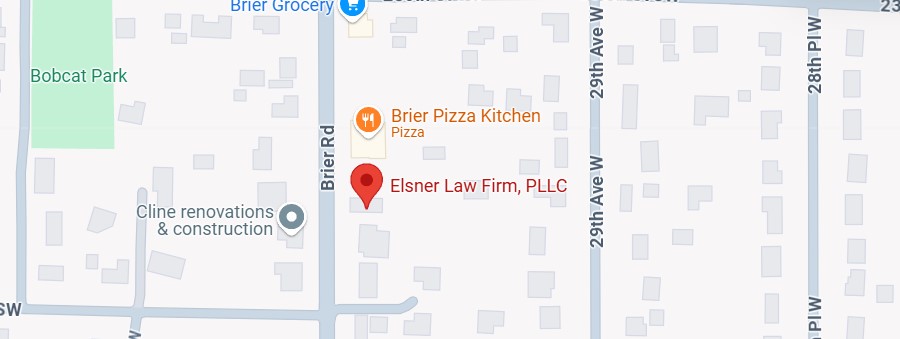
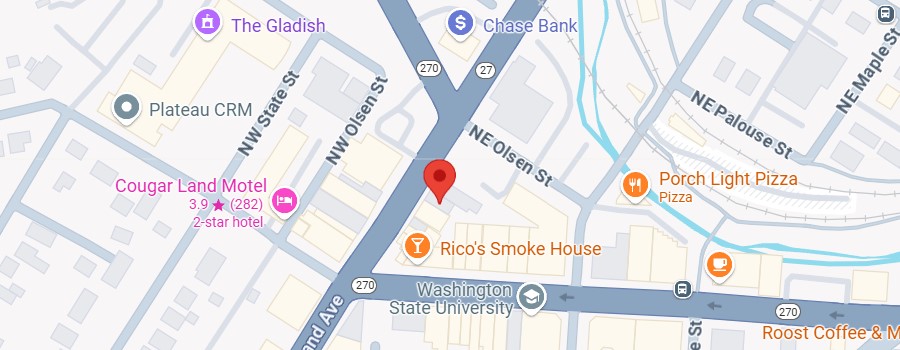
Elsner Law Firm serves injury victims across Seattle, Brier, Ellensburg, and Pullman, Washington. Call (206) 447-1425 or schedule a free case evaluation online to find out exactly what your case could be worth before you decide anything.
References
- Washington Rules of Professional Conduct, RPC 1.5 (Contingent Fees) — https://www.courts.wa.gov/court_rules/?fa=court_rules.display&group=ga&set=RPC&ruleid=garpc1.5
- American Bar Association, Finding Legal Help — https://www.americanbar.org/groups/legal_services/flh-home/
- Washington State Bar Association — https://www.wsba.org/
- King County, Washington — https://www.kingcounty.gov/
- FairSettlement.org, Does Hiring a Lawyer Increase Your Settlement? — https://fairsettlement.org/does-hiring-a-lawyer-increase-settlement
- National Center for State Courts — https://www.ncsc.org/
- Revised Code of Washington 4.22.005, Comparative Negligence — https://app.leg.wa.gov/rcw/default.aspx?cite=4.22.005
- Revised Code of Washington 4.16.080, Statute of Limitations — https://app.leg.wa.gov/rcw/default.aspx?cite=4.16.080