CALL US NOW
 TEXT US NOW
Why Washington policyholders call Elsner Law Firm after insurance bad faith
Claim-handling review for delays, denials, underpayment, policy language, claim notes, adjuster communications, and missing explanations.
Insurance pushback support when the carrier ignores evidence, misstates coverage, demands repetitive paperwork, or pressures you into a low payment.
Documentation guidance for claim files, letters, emails, estimates, medical records, expert reports, deadlines, and damages tied to the insurer’s conduct.
Washington insurance-law focus for policyholders dealing with unfair claim practices after injuries, property losses, or other covered events.
Free case review by phone at 206-447-1425.
Washington’s Insurance Fair Conduct Act (IFCA) gives you the right to sue your own insurance company if it unreasonably denies or delays your claim — and recover up to three times your actual damages plus attorney fees. If your insurer lowballed your settlement, stalled your claim without reason, or denied coverage you’re entitled to, you may have an IFCA claim. At Elsner Law Firm, we handle IFCA cases throughout Washington State. Call us for a free consultation: 206-447-1425.
The Insurance Fair Conduct Act (RCW 48.30.015) is a Washington State law that protects policyholders when their own insurance company unreasonably denies or delays payment of a valid claim. It applies to first-party claims — meaning claims you file with your own insurer, not the at-fault party’s insurance.
Under IFCA, if your insurance company violates the statute, you can sue for:
- Your actual damages (the full value of your denied or underpaid claim)
- Up to three times your actual damages if the insurer’s conduct was particularly egregious
- Attorney fees and litigation costs
- Any other relief the court finds appropriate
What Counts as an Unreasonable Denial or Delay?
Insurance companies aren’t entitled to deny or delay claims just because it benefits them financially. Under IFCA and Washington’s Consumer Protection Act, unreasonable conduct includes:
- Denying a valid claim without a legitimate basis
- Failing to conduct a prompt, thorough investigation
- Offering a settlement far below what the claim is worth
- Stalling or dragging out the claims process without justification
- Misrepresenting policy terms or coverage
- Failing to pay an undisputed portion of a claim while disputing another portion
- Requiring excessive or unreasonable documentation as a delay tactic
You don’t have to prove the insurer acted with bad intent — only that its denial or delay was unreasonable under the circumstances.
IFCA and Auto Accident Claims in Washington
IFCA applies most commonly to first-party auto insurance claims, including:
- Underinsured/uninsured motorist (UIM) claims — when the at-fault driver had little or no insurance and you file with your own carrier
- Personal injury protection (PIP) claims — when your insurer refuses to pay medical bills or lost wages covered under your own policy
- First-party property damage claims — when your insurer denies or underpays your vehicle repair claim
- Collision claims — when your insurer disputes repair costs or total loss value
This is especially relevant if you were injured in an accident and your own insurer is fighting your PIP or UIM claim rather than paying what you’re owed. Washington law requires insurers to handle these claims fairly and promptly — not to use delay tactics to pressure you into accepting less.
The 20-Day Notice Requirement
Before filing an IFCA lawsuit, Washington law requires you to send your insurance company a written notice identifying the specific violations you’re alleging. The insurer then has 20 days to respond or correct the violation. If they fail to do so, you can proceed with filing suit.
This notice requirement makes timing critical. An experienced IFCA attorney can draft this notice correctly and ensure it preserves all of your legal options.
How IFCA Works With Your Personal Injury Case
If you were injured in a car accident and your own insurer is handling part of your claim — whether PIP benefits, UIM coverage, or a property damage claim — an IFCA violation can run alongside your personal injury claim. You may be pursuing the at-fault driver’s insurer for your injuries while simultaneously holding your own insurer accountable for bad faith handling of your first-party benefits.
At Elsner Law Firm, we understand how to coordinate these claims to maximize your recovery on both fronts.
Why Work With Elsner Law Firm on Your IFCA Claim
Insurance companies have teams of lawyers protecting their interests. You should too. We represent Washington accident victims against their own insurers when those insurers refuse to honor their obligations. Our approach:
- Free case evaluation — we’ll tell you honestly whether you have an IFCA claim worth pursuing
- No fee unless we win
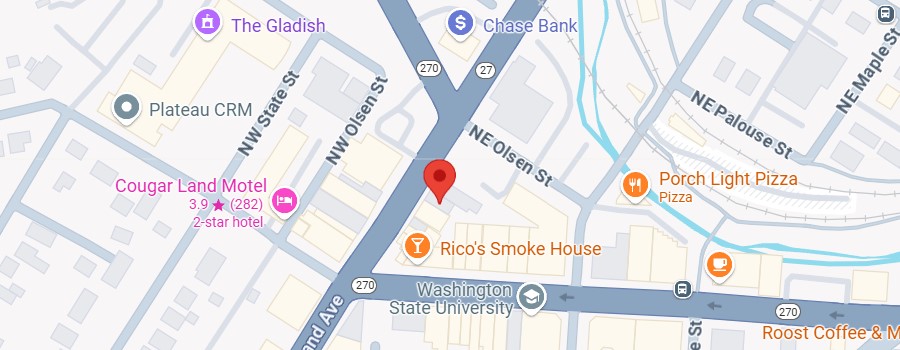
- We serve clients throughout Washington State, including Seattle, Ellensburg, Pullman, and surrounding areas
- We handle the 20-day notice, investigation, and litigation so you don’t have to fight alone
Frequently Asked Questions
Does IFCA apply if the other driver’s insurance denied my claim?
No. IFCA only applies to first-party claims — claims filed with your own insurance company. If the at-fault driver’s insurer is the problem, other remedies may apply, but not IFCA specifically.
How long do I have to file an IFCA claim in Washington?
The statute of limitations for IFCA claims in Washington is generally three years from the date of the unreasonable denial or delay. However, because of the 20-day notice requirement, you should contact an attorney as soon as possible — do not wait until you’re close to the deadline.
What if my insurer paid something, just not enough?
Underpayment can qualify as an unreasonable denial under IFCA if the insurer’s valuation was not based on a legitimate, thorough investigation. A significant gap between what your insurer offered and what your claim is actually worth may indicate bad faith handling.
Can I bring an IFCA claim and a personal injury lawsuit at the same time?
Yes. IFCA claims against your own insurer are separate from personal injury claims against the at-fault party. In many Washington accident cases, both claims run simultaneously.
Contact Elsner Law Firm About Your IFCA Claim
If your insurance company has denied, delayed, or underpaid a valid claim, don’t accept it as the final word. Washington law gives you powerful tools to fight back — including the right to triple damages and attorney fees if your insurer acted unreasonably.
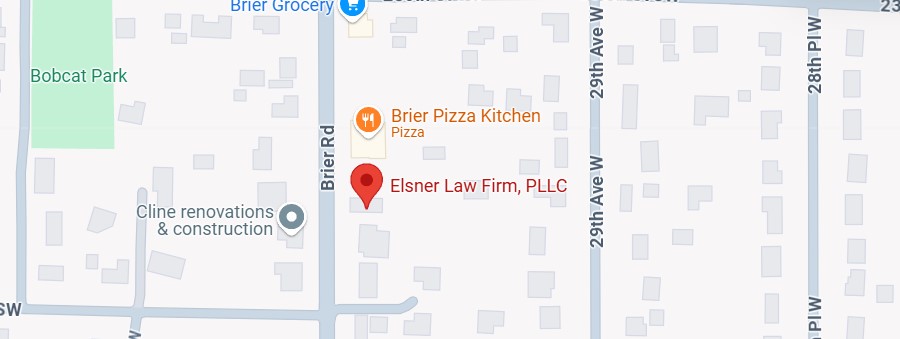
Call Elsner Law Firm today for a free consultation: 206-447-1425. We serve clients throughout Washington State including Seattle, Ellensburg, Pullman, Brier, and surrounding areas.