Call Today!

 CALL US NOW
 TEXT US NOW

A Seattle dram shop injury settlement is money paid to someone hurt in a crash or other injury when a bar, restaurant, or other licensed seller served alcohol to a person “apparently under the influence” who then caused the harm. Reported Washington results run from about $185,000 to $1.3 million in settlements, with a $14 million jury verdict at the top end. Those figures are past results, not predictions. What a dram shop injury settlement is worth in Seattle depends on the injuries, the insurance behind the bar, and the driver’s own coverage.
This guide covers the reported Washington examples, the broader ranges for drunk-driving crash claims, the law that shapes claim value, and the proof a Seattle dram shop lawyer will look for before filing.
Washington Dram Shop Statute: RCW 66.44.200 and the “Apparently Under the Influence” Standard
Washington has no modern dram shop act. Bar liability for a drunk driving accident in Washington rests on RCW 66.44.200(1), which says no person shall sell liquor to any person apparently under the influence of liquor, and on Washington Supreme Court case law.
The key case is Barrett v. Lucky Seven Saloon, 152 Wn.2d 259 (2004). The Supreme Court held that the statutory “apparently under the influence” standard is the minimum standard of conduct for a commercial seller whose overservice leads to a drunk-driving crash that injures a third party. It ordered a new trial because the jury had been instructed only on “obviously intoxicated.” Before Barrett, vendors were generally liable only for serving minors or obviously intoxicated patrons, according to a 2007 Seattle University Law Review note.
In practice, the Washington dram shop statute puts one question at the center of the claim: did the driver look intoxicated when the bar served them? Value follows from that proof, from the injuries, and from the insurance available.
The stakes are real. Preliminary Washington Traffic Safety Commission data show 659 traffic deaths in 2025, and 297 of them (45%) involved an impaired driver, down from 370 (50%) in 2024. Among impaired drivers, alcohol was found in 57%, cannabis in 22%, and methamphetamine in 8%. Those figures are preliminary, and lab tests were still pending when the Washington State Standard reported them. Nationally, NHTSA counted 11,904 deaths in 2024 crashes involving a driver with a blood alcohol concentration of 0.08 or higher, 30% of the 39,254 total traffic fatalities and down 3.9% from 12,382 in 2023.
Seattle Dram Shop Injury Settlement Amounts: Reported Washington Results
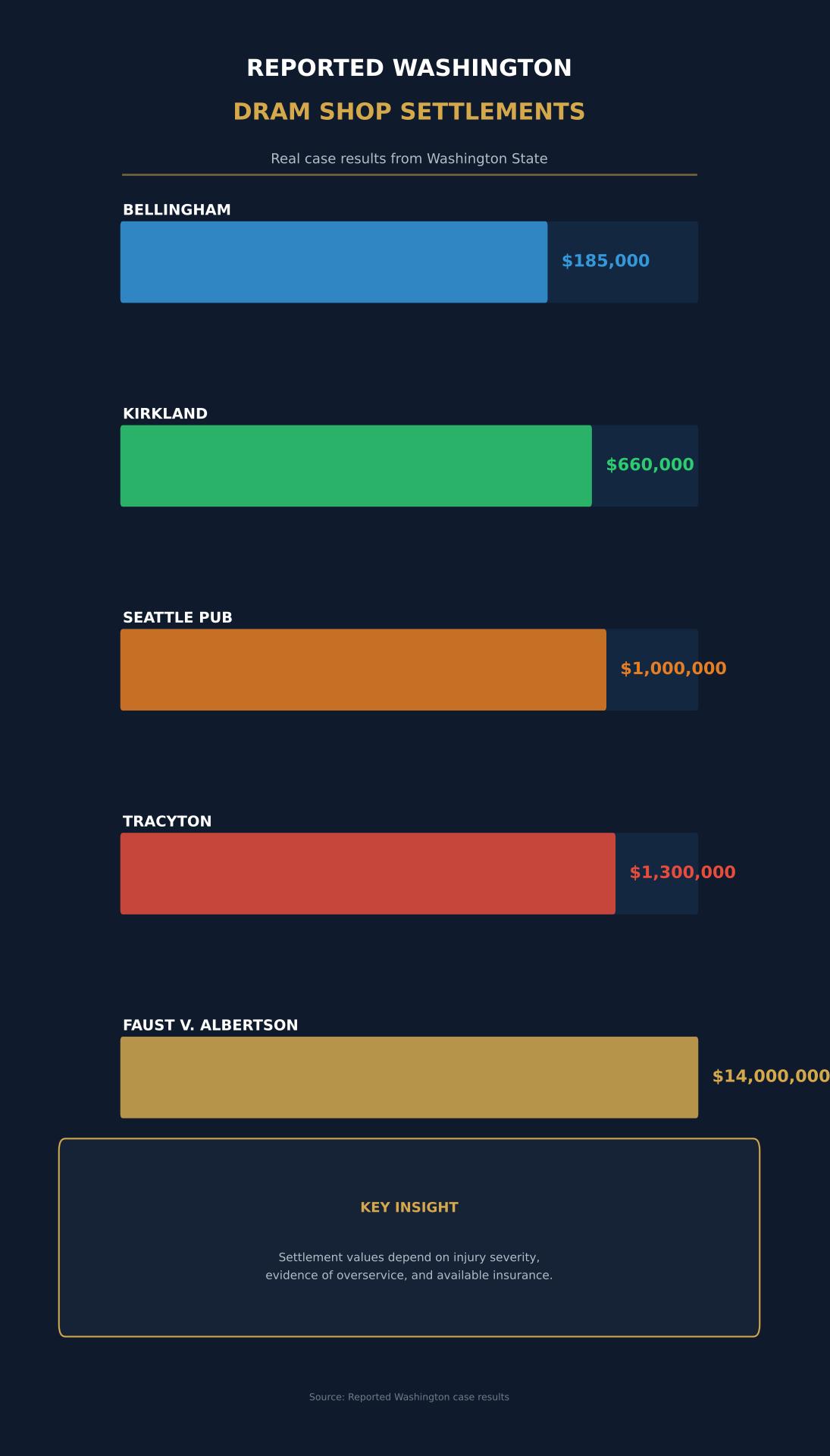
There is no reliable average dram shop settlement in Washington. Reported results come mostly from news stories, court opinions, and law firm pages, so a single average would mislead. The examples below show the range, and each is a past result, not a prediction.
Example: Faust v. Albertson, Whatcom County ($14 million verdict)- In April 2000, a patron who had been served at the Bellingham Moose Lodge drove across the center line in Ferndale and struck Bianca Faust’s car. He died, Faust and her passengers were injured, and one passenger was left paraplegic. A jury awarded $14 million, the Court of Appeals reversed, and the Washington Supreme Court unanimously reinstated the verdict in Faust v. Albertson, 167 Wn.2d 531 (2009). The court held that evidence of overservice can be direct or circumstantial, and that blood alcohol evidence cannot establish apparent intoxication on its own but can corroborate observations of how the patron looked after being served (Washington Supreme Court opinion; Associated Press).
Example: Tracyton, Kitsap County ($1.3 million settlement)- Announced Sept. 10, 2015, the settlement resolved the injured survivor’s case and was reached with the tavern and the survivor’s own uninsured motorist policy. The Kitsap Sun later reported that most of the $1.3 million was paid by the tavern’s insurance. Two friends were walking home from a tavern when a driver in an uninsured vehicle struck them; the woman was killed and the man was severely injured. The survivor’s attorney said the driver had been overserved by the tavern (Kitsap Daily News; Kitsap Sun).
Example: Bellingham ($185,000 settlement)- A bar paid $185,000 after a drunk driver left it and caused a series of collisions that resulted in severe injuries and loss of life. The driver was uninsured, so the client first recovered through the client’s own uninsured motorist coverage. The driver was sentenced to 16 years in prison
Example: Kirkland ($660,000 settlement)- A woman was hit head-on in a 2012 crash by a driver with a 0.161 breath test who had spent hours at a nearby bar. Her attorneys argued the bar overserved him under Washington dram shop law. Her injuries included a fractured sternum, 12 broken ribs, and a concussion. The page does not say which party paid.
Example: Seattle pub ($1 million settlement)- A driver who had been overserved at a bar drove an SUV into a woman, pinning her against the wall of a Seattle pub, fracturing her bones and piercing the main artery in her leg. She was treated at Harborview Medical Center and had multiple surgeries. The driver did not have enough insurance to cover her injuries, and her attorneys found that the pub that served him had violated Washington law. The firm reports a $1 million settlement; the page gives no date and does not say who paid.
One pattern stands out: in the Tracyton and Bellingham cases, the driver was uninsured, and the victim’s own uninsured motorist coverage was part of the recovery alongside the bar’s payment.
Seattle Drunk Driving Accident Settlement Amounts: General Ranges
These ranges are the figures Elsner Law Firm publishes on its own Seattle drunk driving accident settlement amounts page, last updated Sept. 6, 2026. They are the firm’s published figures, not court data, and they are not dram-shop-only. They show how drunk-driving crash claims tend to scale with injury severity.
| Injury level | Approximate range |
|---|---|
| Minor injuries with a short recovery | $10,000 to $30,000 |
| Moderate injuries | $50,000 to $125,000 |
| Severe cases (TBI, spinal cord damage, permanent disability) | Six or seven figures |
| Catastrophic injury or wrongful death | About $1 million to $5 million or more |
A dram shop claim adds the bar and its liquor liability insurer to the picture, so the reported dram shop examples above do not map neatly onto any one row. Treat both sets of numbers as context for a conversation with a lawyer, not as a forecast for your case. To see who else can be held responsible besides the bar, read about drunk driving accident liability in Washington.
Dram Shop Claim Value in Seattle: What Moves the Number
No formula sets dram shop claim value in Seattle. These factors do most of the work:
- Injury severity and permanence- Traumatic brain injury, spinal cord injury, and amputation sit at the high end. In Faust, one passenger was left paraplegic. In the Kirkland example, a fractured sternum, 12 broken ribs, and a concussion were among the injuries behind a $660,000 settlement.
- The bar’s liquor liability insurance- A bar’s liability insurer is often the practical source of payment. In the Tracyton case, the Kitsap Sun reported that the tavern’s insurance paid most of the $1.3 million, so policy limits can shape what is collectible.
- The driver’s coverage and your own- When the driver is uninsured or underinsured, your uninsured and underinsured motorist coverage can be a major part of the recovery. The Bellingham and Tracyton results both combined the victim’s own coverage with a bar payment.
- How fault is divided- Fault is split among the driver, the bar, and others, and the split affects who owes what (see the next section).
- Strength of the intoxication proof- A claim with firsthand witness accounts of how the driver looked at the time of service is stronger than one built on a blood test alone.
- Fatal outcomes. When a crash kills someone, family members may bring wrongful death and survival claims, which can raise the stakes of the case.
Washington Dram Shop Law: Fault, Defenses, and Social Hosts
Proving apparent intoxication. Under Faust, apparent intoxication can be shown with direct or circumstantial evidence, such as observations of the patron shortly after service. Blood alcohol evidence cannot establish it alone, but it can corroborate those observations.
Who can sue the bar. Injured third parties can. The overserved adult patron generally cannot: in Estate of Kelly v. Falin, 127 Wn.2d 31 (1995), the court held that a commercial vendor owes no duty to an obviously intoxicated adult patron for injuries the patron suffers through his own intoxication.
Sharing fault. Under RCW 4.22.070, each defendant is generally liable only for its own percentage of fault. If the claimant is found not at fault, the defendants are jointly and severally liable for the sum of their proportionate shares. A claimant’s own fault reduces damages without barring recovery (RCW 4.22.005).
The intoxicated-claimant defense. RCW 5.40.060 is a complete defense if an injured person under the influence is found more than 50% at fault. The statute adds an exception: in an action against a driver whose own intoxication was a proximate cause of the injury or death, the defense does not apply so long as the injured person’s condition was not a proximate cause of the occurrence.
Social host liability. It is unlawful to supply liquor to anyone under 21 (RCW 66.44.270(1)). Under Hansen v. Friend, 118 Wn.2d 476 (1992), a host who supplied liquor to a minor can be liable for the minor’s injuries. Under Reynolds v. Hicks (1998), hosts owe no duty to third parties a served minor injures. Social hosts generally are not liable for serving adults.
Damages. Washington does not cap non-economic damages (Sofie v. Fibreboard, 1989), and it generally does not allow punitive damages without statutory authorization (Dailey v. North Coast Life, 1996).
Suing a Bar for Overserving a Drunk Driver: The Proof You Need
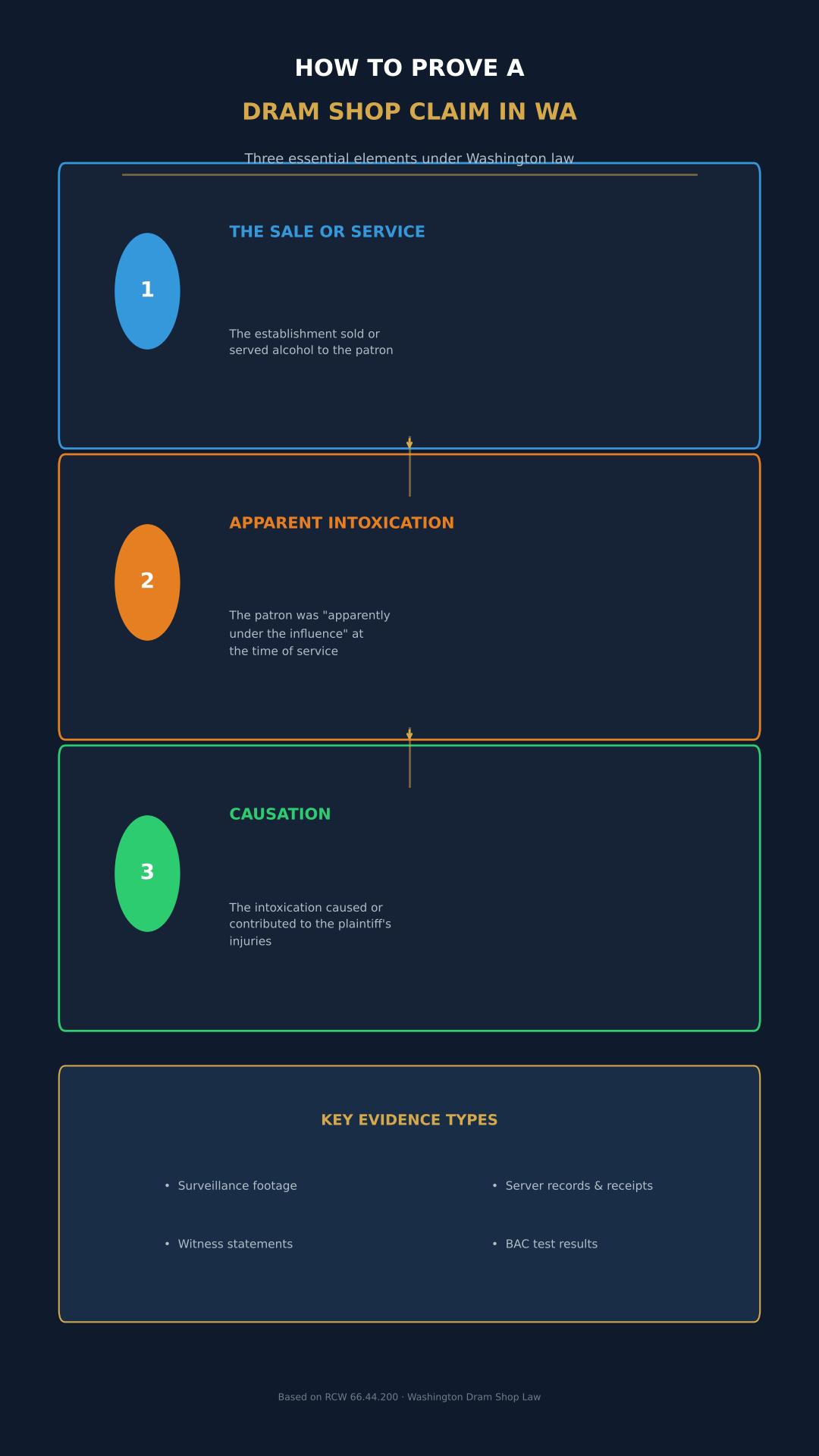
Because the claim turns on how the driver looked when served, the evidence is time-sensitive. Surveillance video and records can be overwritten. A Seattle firm will typically work on:
- An evidence preservation letter- A demand that the bar keep surveillance video, receipts, and tabs before they are overwritten.
- Witness statements- Interviews with the bartender and other patrons that establish how the driver looked at the time of service, the kind of observational evidence Faust relies on.
- Server and training records- On-premises servers must hold a class 12 or class 13 alcohol server permit within 60 days of hire, valid for five years (RCW 66.20.310). Reviewing permits and training can show how the bar prepared its staff.
- The liquor liability insurer- Identifying the insurer and its policy limits, then negotiating with it.
- Related enforcement history- The Washington State Liquor and Cannabis Board (WSLCB) can penalize a seller for serving an apparently intoxicated person: a 5-day suspension or $500 monetary option for a first violation, a 7-day suspension for a second within two years, a 30-day suspension for a third, and cancellation for a fourth (WAC 314-29-020). Under RCW 66.44.200(3), that administrative action and the infraction against the patron are separate actions, and the outcome of one does not determine the outcome of the other.
The patron faces consequences too. An apparently intoxicated person who buys or consumes liquor on licensed premises commits an infraction with a fine of up to $500 (RCW 66.44.200(2)).
King County Drunk Driving Accident Compensation: Who Can File and When
The filing deadline for a personal injury claim in Washington is three years (RCW 4.16.080(2)). Evidence can disappear much sooner, which is why early contact with a lawyer matters.
People who can bring a claim include:
- Drivers, passengers, and pedestrians injured by an overserved driver. The Tracyton example involved pedestrians struck while walking home.
- Family members after a fatal crash, through wrongful death and survival claims under RCW 4.20.010 and RCW 4.20.060.
- Victims with their own uninsured or underinsured motorist coverage, which can be pursued first when the driver has no insurance, as in the Bellingham example.
Bars and restaurants hold liquor licenses across King County, from nightlife areas such as Capitol Hill, Belltown, and Pioneer Square to Eastside cities like Bellevue and Kirkland. The law is statewide, as the Kirkland, Bellingham, and Kitsap County results show, so a crash near Tacoma, Everett, Bremerton, or Spokane is analyzed under the same Washington rules.
Working With a Seattle Dram Shop Lawyer at Elsner Law Firm
Elsner Law Firm is a Seattle personal injury firm founded in 2007 by Justin Elsner. The firm focuses exclusively on personal injury law in Washington and has represented injury victims since 2007. For a dram shop claim, that focus shows up in a few practical ways:
- Free consultations, any time. Case evaluations are free and available 24/7 by call, text, or online scheduling, with in-person, virtual, or home-visit options.
- No fee unless the case is won. The firm works on contingency and advances all expenses, so there are no upfront costs.
- Evidence work from day one. Preservation letters for bar video and records, witness interviews, and review of server training, backed by a network that includes toxicologists, accident reconstruction specialists, and medical professionals.
- Insurer negotiation and trial preparation. Every case is built as if it is headed to trial, which matters when negotiating with a bar’s liquor liability insurer and the driver’s carrier.
- Coordinated coverage claims. Uninsured and underinsured motorist coverage can be part of the recovery, as the Bellingham and Tracyton results show, and the firm describes pursuing the at-fault party and a client’s underinsured motorist coverage together.
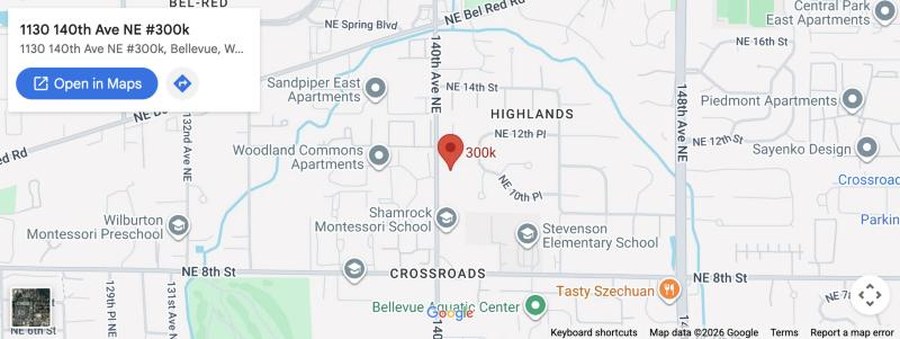
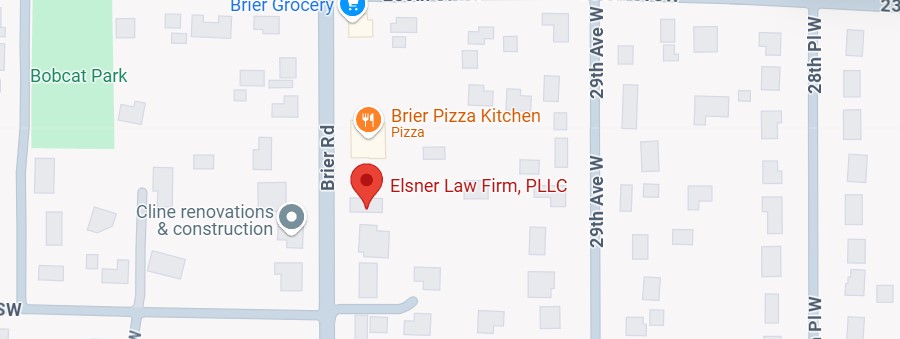
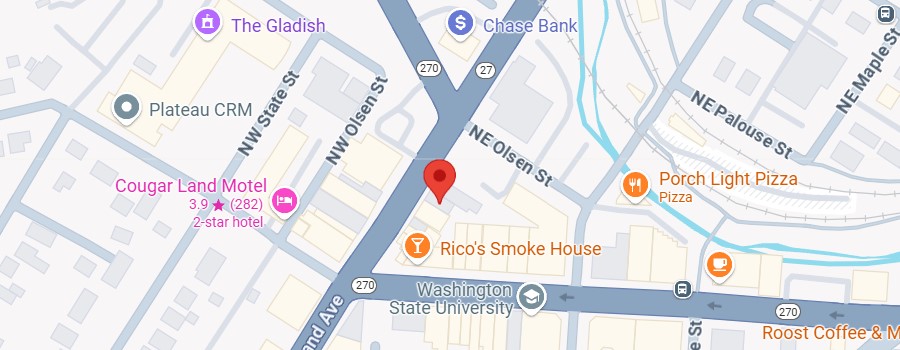
- Statewide reach. Offices in Seattle, Brier, Ellensburg, and Pullman serve clients across Washington, with services available in Spanish.
Learn more about the law on the firm’s Seattle dram shop law and bar liability page.
Related pages: Seattle drunk driving accident lawyer, Seattle drunk driving accident settlement amounts, uninsured and underinsured motorist coverage.
Dram Shop Injury Settlement FAQ
How much is a dram shop claim worth in Seattle?
It depends on the injuries, the bar’s insurance, and the driver’s coverage. Reported Washington results run from about $185,000 to $1.3 million in settlements, with a $14 million jury verdict in Faust v. Albertson. Those are past results, not predictions.
Can I sue a bar for overserving a drunk driver in Washington?
Yes, if you were injured by the driver and can show the bar served them while they were apparently under the influence (RCW 66.44.200(1); Barrett v. Lucky Seven Saloon).
Does a blood alcohol test prove the bar overserved?
Not by itself. Under Faust, it can corroborate observations of how the patron looked at or shortly after service, but it cannot prove apparent intoxication on its own.
Can the drunk driver sue the bar?
Generally no. Under Estate of Kelly v. Falin, a commercial vendor owes no duty to an obviously intoxicated adult patron for injuries the patron suffers through his own intoxication.
Can I sue a social host who served alcohol?
Social hosts generally are not liable for serving adults. Hosts who serve minors face different rules: the host can be liable to the minor served, but hosts owe no duty to third parties the minor injures.
How long do I have to file?
Three years for a personal injury claim in Washington (RCW 4.16.080(2)).
What if the drunk driver had no insurance?
Your own uninsured motorist coverage may be available first, and a bar claim can follow. In the Bellingham example, the client recovered through the client’s own coverage before the bar paid $185,000.
Talk to a Seattle Personal Injury Attorney About Your Dram Shop Claim
If a drunk driver injured you or a family member and you think a bar or restaurant overserved them, the evidence is already at risk. Elsner Law Firm offers free case evaluations 24/7. Call or text (206) 447-1425 or schedule online. The Seattle office (by appointment only) is at 2130 Westlake Ave N, #3, Seattle, WA 98109. You pay no attorney fees unless the firm wins your case.
This article is general information, not legal advice. Past results do not predict or guarantee the outcome of any future case.