CALL US NOW
 TEXT US NOW
Learn How to Handle Doctor Can Help Personal Injury Lawsuit and Protect Yourself
If you have been injured, the first thing you should do is seek medical care as soon as possible. Some accident-related injuries may not be immediately visible and can present delayed symptoms, so it’s important to seek immediate medical attention even if you feel fine. Not only is your health and well-being the most important priority, but you could be jeopardizing a potential lawsuit by delaying medical attention. Hidden injuries, such as soft tissue damage or concussions, may not be apparent right away and require prompt evaluation.
Seek Professional Care
Be sure and seek care from a professional, reputable doctor right away. While alternative medicines and home treatments may help you feel better, it is crucial to select the right doctor who specializes in personal injury cases to make your case more credible. Medical professionals, such as physicians and specialists, are best equipped to provide the documentation and treatment needed for your case, as their expertise carries more weight with insurance adjusters than alternative practitioners like massage therapists.
Your doctor will be an important part of your case, so choose one that you can trust and one that can help you determine the best course of treatment for your injury.
Get a Diagnosis
The first thing your doctor will do is evaluate you and give you a diagnosis. Diagnostic tools such as CT scans and neurological exams may be used to identify the full extent of your injuries. An accurate diagnosis is important in determining the appropriate treatment. Your physician will coordinate your medical treatment and ensure all necessary referrals are made. The costs associated with getting a diagnosis will be a part of your lawsuit, so make sure your doctor is giving you a clear, documented diagnosis and treatment plan, including any recommended referrals for additional care.
Follow Through With Treatment
Once you have a diagnosis, you need to make sure you are treated for that diagnosis. Getting a diagnosis and not following up on treatment could hurt your case, so it’s up to you to continue your treatment as recommended by your doctor. Personal injury doctors treat injuries from accident related injuries, including those sustained in auto accidents, car accidents, car wrecks, car wrecks, and personal injury accidents. Treatment may involve pain management, physical therapy, and referrals to specialists for spinal injury, head injuries, and soft tissue damage. Use any specialists, physical therapists, or other treatment professionals suggested by your doctor; now is not the time to try out your neighbor, who is studying to be an acupuncturist. Stick with your referrals, and see doctors that you are referred to by your primary doctor.
Using other specialists associated with your doctor will help to assure that your doctor has all the needed paperwork for your case as follow through with all treatment your doctor recommends. Treating injuries such as soft tissue injuries and chronic pain is essential for both patient recovery and legal documentation. If you drop the ball, or don’t go where you were referred, your injury might not be taken seriously in the eyes of the law, and it could hurt your case.
Remember, your treatment should be appropriate for the diagnosis you received. Doing unnecessary treatments, or not enough treatment for your injury, could jeopardize your lawsuit. Personal injury doctors play a key role in helping patients recover and supporting their legal case by providing medical help and detailed records. Stick to the recommendations of your doctor as to the most appropriate treatment, and don’t be afraid to ask questions and have an open dialogue with the professionals treating you so you can understand your injuries and how you’re recovering.
If you follow all these steps, your doctor will have solid documentation and you will be able to provide credible information to your lawyers in the event of a lawsuit. This will only strengthen your case, and potentially get you a better settlement.
Expert witnesses, such as physicians and other medical professionals, may be called upon to testify about your injuries and treatment in support of your personal injury claims or legal action. Personal injury victims and injury victims often face significant medical bills, but options such as health insurance, medical liens, and reduced upfront costs can help manage expenses. Many clinics offer same day appointments and a free consultation to help patients get the care they need quickly.
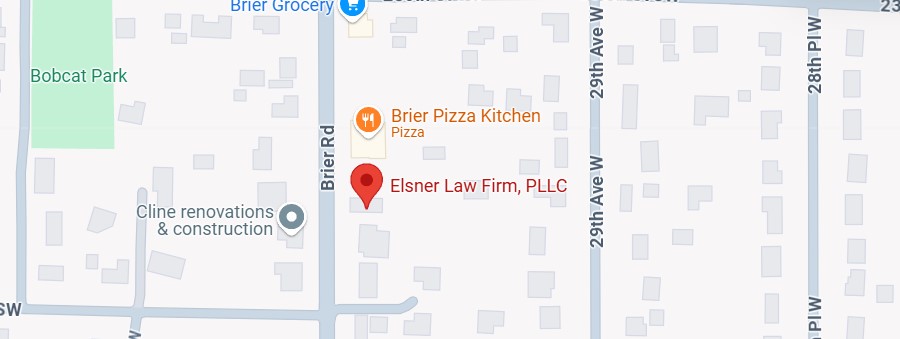
If you need help or would like to chat about your case in Snohomish or King County (or the surrounding areas), please feel free to contact Elsner Law Firm directly.
Medical Documentation and Records
In personal injury cases, the quality and detail of your medical documentation can make all the difference. Personal injury doctors are responsible for keeping thorough and accurate medical records that clearly outline your injuries, diagnoses, and every step of your treatment plan. These records are not just for your own reference—they are essential evidence that personal injury attorneys use to support your personal injury claim and demonstrate the extent of your injuries to insurance companies.
Whether your injuries stem from car accidents or other types of accidents, well-maintained medical records help establish a direct link between the incident and your condition. This includes everything from initial evaluations and diagnostic tests to ongoing treatment plans and progress notes. Injury doctors know that organized and comprehensive medical documentation adds credibility to your case, making it easier for your legal team to negotiate with insurance companies and pursue the compensation you deserve. In short, keeping detailed records is a crucial step in any personal injury case, ensuring that your injuries and the care you receive are fully documented throughout the entire process.
Working with an Insurance Company
Navigating insurance claims after an accident can be overwhelming, but having a personal injury doctor who understands the process can make a significant difference. Insurance companies often look for ways to minimize payouts, so it’s important to have a doctor who can provide clear medical documentation and explain your treatment plan in detail. Personal injury doctors work closely with insurance companies, supplying the necessary records and updates to support your insurance claim and ensure your injuries are taken seriously.
Your injury doctor may also communicate directly with the insurance company to clarify your diagnosis, outline your treatment plan, and provide progress reports as you recover. If the insurance company requests additional information or independent medical examinations, your doctor can help facilitate these requests and ensure your rights are protected. By working with an insurance company in a proactive and informed way, your personal injury doctor helps you navigate the insurance claim process and increases your chances of receiving fair compensation for your injuries and medical expenses.
Coordinating with Your Attorney
A successful personal injury case often depends on seamless coordination between your personal injury doctor and your personal injury attorney. By working closely together, these professionals ensure you receive comprehensive care and that every aspect of your injury and recovery is documented for your personal injury claim. Your attorney may rely on your doctor to provide detailed medical documentation, help develop and adjust treatment plans, and refer you to specialists such as physical therapists or spinal care experts when needed.
This collaboration is especially important in complex cases involving traumatic brain injuries, spinal injuries, or other serious conditions that require ongoing medical attention. By keeping open lines of communication, your injury doctor and attorney can respond quickly to changes in your condition, update your treatment plan as necessary, and gather the evidence needed to support your case. Ultimately, this teamwork helps you through the recovery process and strengthens your personal injury case, giving you the best chance at a successful outcome and full recovery.