CALL US NOW
 TEXT US NOW
Are Dash Cameras Legal in Washington State? Protecting You on the Road
Dash cameras are legal in Washington State, but drivers must follow specific laws related to placement, visibility, and audio recording. Dash cameras are becoming increasingly popular among drivers across Washington State. Whether you commute daily, drive occasionally, or simply want added peace of mind on the road, dash cams can play an important role in protecting your interests. Many drivers still ask the same question: are dash cameras legal in Washington State? This guide explains Washington dash cam laws, how to install them legally, and how dash cam footage can help protect you after an accident.
What Are Dash Cameras?
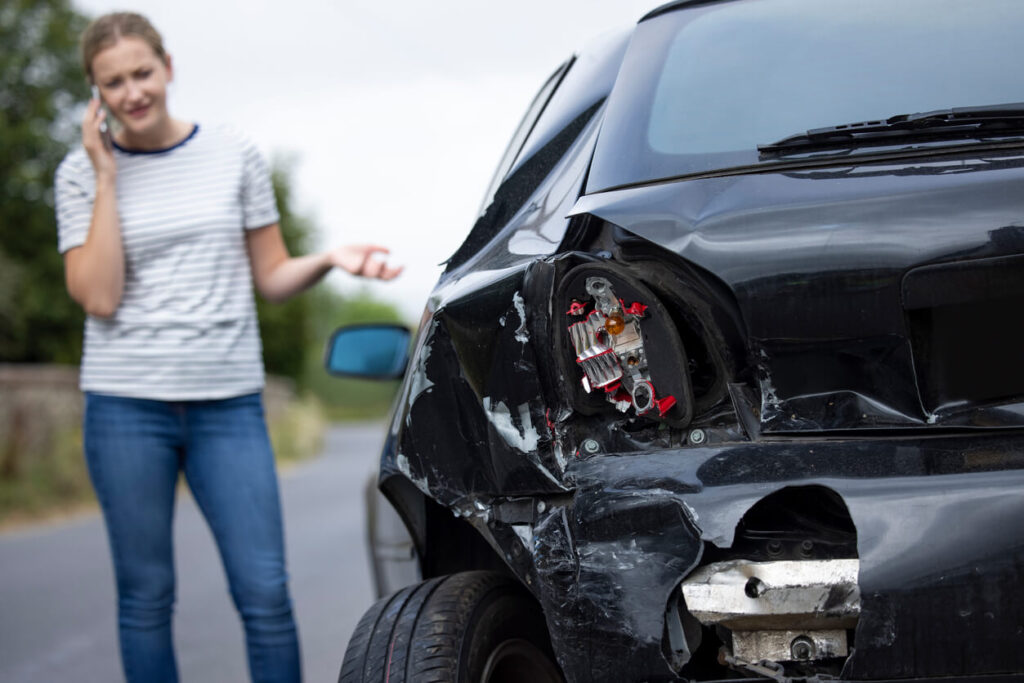
Dash cameras, also known as dashboard cameras, are devices that are mounted on your vehicle’s dashboard. Their purpose? To be an impartial witness, recording every detail that unfolds on the road in case of an accident. If you are involved in a car accident, dash cam footage can provide crucial evidence to support your case. Knowing the first 24 hours: what to do after you get into a car collision can make a significant difference in the success of your claim. For more information about car accidents and legal help, visit the Elsner Law Firm’s car accidents page.
Where NOT to Mount Your Dash Cam in Washington
While we’ve covered the legal requirements for dash cam placement, it’s equally important to know exactly where you cannot mount your device. Violating these placement rules can result in traffic citations and may render your dash cam footage inadmissible in legal proceedings.
Prohibited Dash Cam Locations in Washington State:
Center of the Windshield: This is the most common mistake drivers make. Mounting your dash cam in the center of your windshield directly obstructs your field of vision and violates Washington State law.
Behind the Rearview Mirror (If It Exceeds Size Limits): This location is only legal if the device doesn’t exceed the five-inch square limit on the driver’s side or seven-inch square on the passenger side.
Lower Windshield Areas: Placing your dash cam in the lower portion of your windshield obstructs your view of the road immediately ahead, including pedestrians and cyclists.
Side Windows: Mounting dash cams on side windows blocks your ability to check blind spots and see approaching vehicles, creating serious safety hazards.
Areas That Block Safety Equipment: Never mount your dash cam in a location that obstructs your rearview mirror, side mirrors, or factory-installed safety sensors.
Remember, even if your dash cam is within the legal size limits, any placement that materially obstructs the driver’s clear view is prohibited. When in doubt, mount your dash cam on the dashboard itself.
Legal Restrictions on Dash Cam Placement
In Washington State, dash cams are legal, with a few laws that you must be aware of. It is against the law to mount them on your windshield, as they can obstruct your view of the road. The device must not obstruct an area larger than a five inch square on the driver’s side or a seven inch square on the passenger side. Dash cam placement should avoid blocking the rearview mirror or any other windows to maintain the driver’s clear view. Instead, place them securely on your dashboard or the passenger side to ensure compliance with dash cam laws.
Proper Dash Cam Installation
When it comes to installation, most dash cams are designed for easy installation and can be mounted legally on the dashboard or passenger side. To install dash cams legally, always follow the manufacturer’s instructions and avoid any placement that obstructs the driver’s view. Proper installation is a key part of overall vehicle safety, similar to why we recommend that parents regularly replace car seats after any significant impact to ensure maximum protection.
Benefits of Using Dash Cams
Dash cams have proven to be incredibly helpful in protecting drivers’ interests. From hit-and-runs to accidents and more, these silent witnesses have saved drivers money in the long run. The peace of mind that your vehicle is protected by an unbiased observer is truly priceless.
Dash Cams for Parking Protection
Even if you’re not seriously injured or your vehicle isn’t severely damaged, having a dash cam puts you on the safe side, ensuring you have video evidence to support your side of the story. Dashcam footage can present strong and irrefutable evidence to the insurance company, especially in cases involving another driver running a red light. This strong evidence can help keep roads safe by preventing rear-end collisions through accountability and clear evidence of fault.
Impact on Insurance Premiums
While not all car insurance providers offer discounts for having a dash cam, it can indirectly impact your premiums. The footage captured by your dash cam can provide crucial information about who was involved in an accident, serving as a powerful tool in determining fault. Understanding why insurance is not always on your side after a car accident highlights why having your own objective video evidence is so critical when dealing with adjusters.
Dash Cam Laws by State: How Washington Compares
If you travel frequently across state lines, understanding how dash cam regulations vary can help you stay compliant wherever you drive.
Washington State
Dash cams are legal with windshield mounting restrictions: devices cannot exceed five inches square on the driver’s side or seven inches square on the passenger side. Dashboard mounting is the safest legal option.
Oregon
Oregon law prohibits any objects on the windshield that obstruct the driver’s view. Dashboard mounting is preferred.
California
California has some of the most specific dash cam laws. Dash cams can be mounted on the windshield only in a five-inch square in the lower corner of the passenger side or a seven-inch square in the lower corner of the driver’s side, outside the area swept by wipers.
Dash Cams in Company and Fleet Vehicles
For business owners and employees who drive company vehicles in Washington State, dash cam installation raises unique legal and privacy considerations. In Washington State, employers have broad legal authority to install dash cams in company-owned vehicles. However, audio recording in company vehicles is subject to Washington’s two-party consent law. Employers must inform employees that audio recording is active and obtain consent, or disable audio recording features entirely.
Was Dash Cam Footage Captured in Your Accident? Here’s What to Do
If you were injured in a car accident in Washington, dash cam footage — from your own camera, the other driver’s vehicle, a nearby business, or a commercial truck — could be the most important evidence in your case. That footage can establish fault, contradict the other driver’s story, and protect you from insurance tactics designed to minimize your claim.
But dash cam footage gets overwritten fast. Most cameras loop and delete footage within hours or days. If you were in an accident and footage may exist, you need to act immediately to preserve it.
At Elsner Law Firm, we help Washington accident victims identify, preserve, and use camera evidence to build strong personal injury claims. Call us today for a free consultation: 206-447-1425.
Frequently Asked Questions
1. Are dash cameras legal in Washington State?
Yes, dash cameras are legal in Washington State. You can use a dash cam as long as it does not block your view of the road and follows placement rules for windshield mounting.
2. Where can I legally mount a dash cam in Washington?
The safest legal option is mounting the dash cam on your dashboard. Windshield mounting is only allowed if the device stays within a five-inch square on the driver’s side or a seven-inch square on the passenger side and does not block visibility.
3. Can dash cam footage be used as evidence after a car accident?
Yes. Dash cam footage is commonly used by insurance companies and attorneys to help determine fault after an accident. Clear video can support your version of events and help resolve disputes faster.
4. Is audio recording allowed on dash cams in Washington State?
Audio recording is more restricted. Washington is a two-party consent state, meaning everyone being recorded must agree to audio recording. If you don’t get consent, it’s best to turn the audio feature off.
5. Can I use my phone or iPhone as a dash cam in Washington?
You can, but it comes with risks. Most smartphones are too large to be legally mounted on the windshield. Dashboard mounting is safer, and the phone must record automatically without driver interaction to avoid distracted driving violations.
6. Do dash cams lower car insurance premiums in Washington?
Not always. While most insurers don’t offer direct discounts for dash cams, footage can help protect you from false claims, prove fault, and prevent premium increases after an accident.
Audio Recording and Dash Cams: Understanding Washington’s Consent Laws
Washington is known as a “two-party consent” state, which means that all parties involved in a private conversation must give their permission before any audio can be recorded. If your dash cam is set up to record audio, you must obtain consent from everyone in your car before recording any conversations. Failing to obtain consent can lead to legal complications, including potential fines or the exclusion of your dash cam footage as evidence in a car accident case.
To ensure compliance, consider posting a visible notice in your vehicle or verbally notifying passengers as soon as they enter. If you’re unable to obtain consent from everyone, it’s best to disable the audio recording feature on your dash cam.
Remember, your safety and well-being are our top priorities. Feel free to reach out to us with any questions or for your free consultation: 206-447-1425.